ISPRS Geospatial Week
ISPRS Geospatial Week combines a series of workshops organised by ISPRS Working Groups and other active scientific communities. Each workshop develops a programme around a defined area of research or practice, while shared sessions connect participants across disciplinary boundaries.
This format supports in-depth discussion within specialist fields and encourages exchange between communities working on related methods, data and applications. It also provides a meeting place for academia, industry, government and early-career researchers.
The first ISPRS Geospatial Week was held in Antalya in 2013. Subsequent editions took place in Montpellier in 2015, Wuhan in 2017, Enschede in 2019, Cairo in 2023 and Dubai in 2025.
ISPRS Geospatial Week 2027 with ISRSE-41
Two Distinguished International Communities — One Shared Vision
The integration of the International Symposium on Remote Sensing of Environment (ISRSE) within ISPRS Geospatial Week 2027 represents considerably more than the co-location of two successful scientific events. It reflects the natural convergence of two internationally respected communities whose complementary strengths span the entire geospatial value chain—from scientific discovery and technological innovation through to operational implementation, policy development and societal benefit.
ISRSE-41 will be convened as an integral, clearly identified component of ISPRS Geospatial Week 2027 in Warsaw. It will retain the ISRSE identity while operating within the GSW organisational framework, including its financial arrangements and ISPRS submission, review and publication procedures. ISRSE-41 will complement the ISPRS scientific programme through Earth-observation application themes, international agency engagement and selected workshops, panels, strategic forums including a focus on young professionals.
Theme
Advancing Geospatial Technologies for Smart and Sustainable Development
The theme of ISPRS Geospatial Week 2027 "Advancing Geospatial Technologies for Smart and Sustainable Development" reflects our commitment to shaping a future where technological innovation and environmental responsibility drive progress together. By leveraging cutting-edge advancements in photogrammetry, remote sensing, and spatial information sciences we can develop smarter solutions that optimize resources, enhance resilience, and drive sustainable transformation for future generations.
AI for Geospatial Science
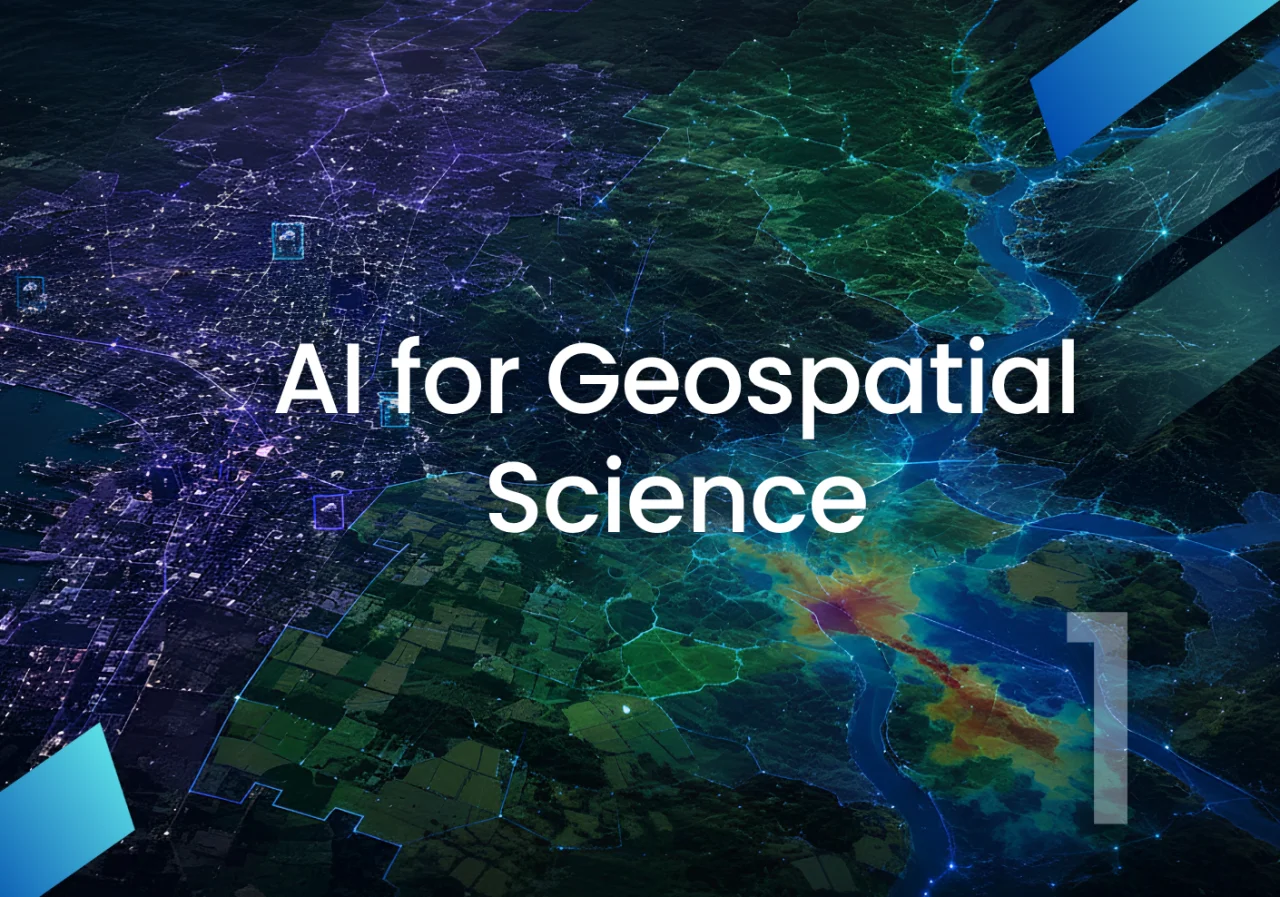
Artificial intelligence is becoming an integral part of modern geospatial data analysis. Machine learning and deep learning methods are increasingly used for automated object detection, image interpretation, point cloud processing, classification, and predictive modelling. GeoAI enables large volumes of spatial data to be processed more efficiently and supports the extraction of meaningful information from satellite, airborne, UAV, and terrestrial observations. Its growing integration with photogrammetry, remote sensing, and GIS is opening new possibilities for automated and intelligent geospatial workflows.
Advances in Photogrammetry and Remote Sensing
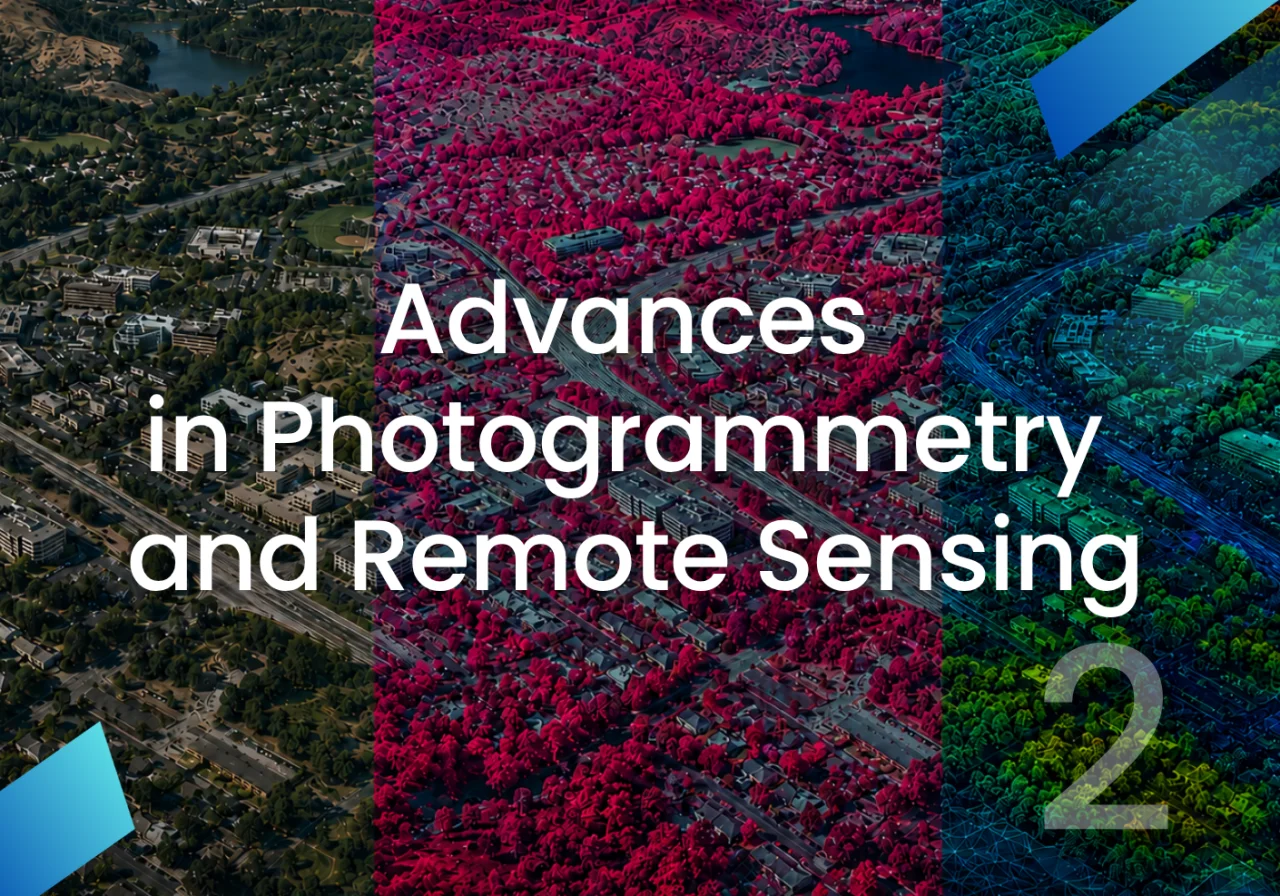
Photogrammetry and remote sensing continue to evolve through advances in sensors, platforms, data processing methods, and integration techniques. Modern developments include high-resolution airborne and satellite imaging, UAV-based photogrammetry, terrestrial and mobile laser scanning, multispectral and hyperspectral sensing, and the increasing use of multi-source point clouds. The integration of these technologies provides new opportunities for accurate three-dimensional mapping, environmental monitoring, infrastructure documentation, and large-scale spatial analysis.

Earth Observation for Sustainable Development
Earth observation plays an increasingly important role in understanding environmental change and supporting sustainable development. Satellite, airborne, and in-situ geospatial data contribute to climate and environmental monitoring, natural hazard assessment, water resource management, biodiversity protection, land-use analysis, and carbon monitoring. These technologies also provide valuable information for evaluating progress towards the United Nations Sustainable Development Goals and for supporting evidence-based environmental policies.
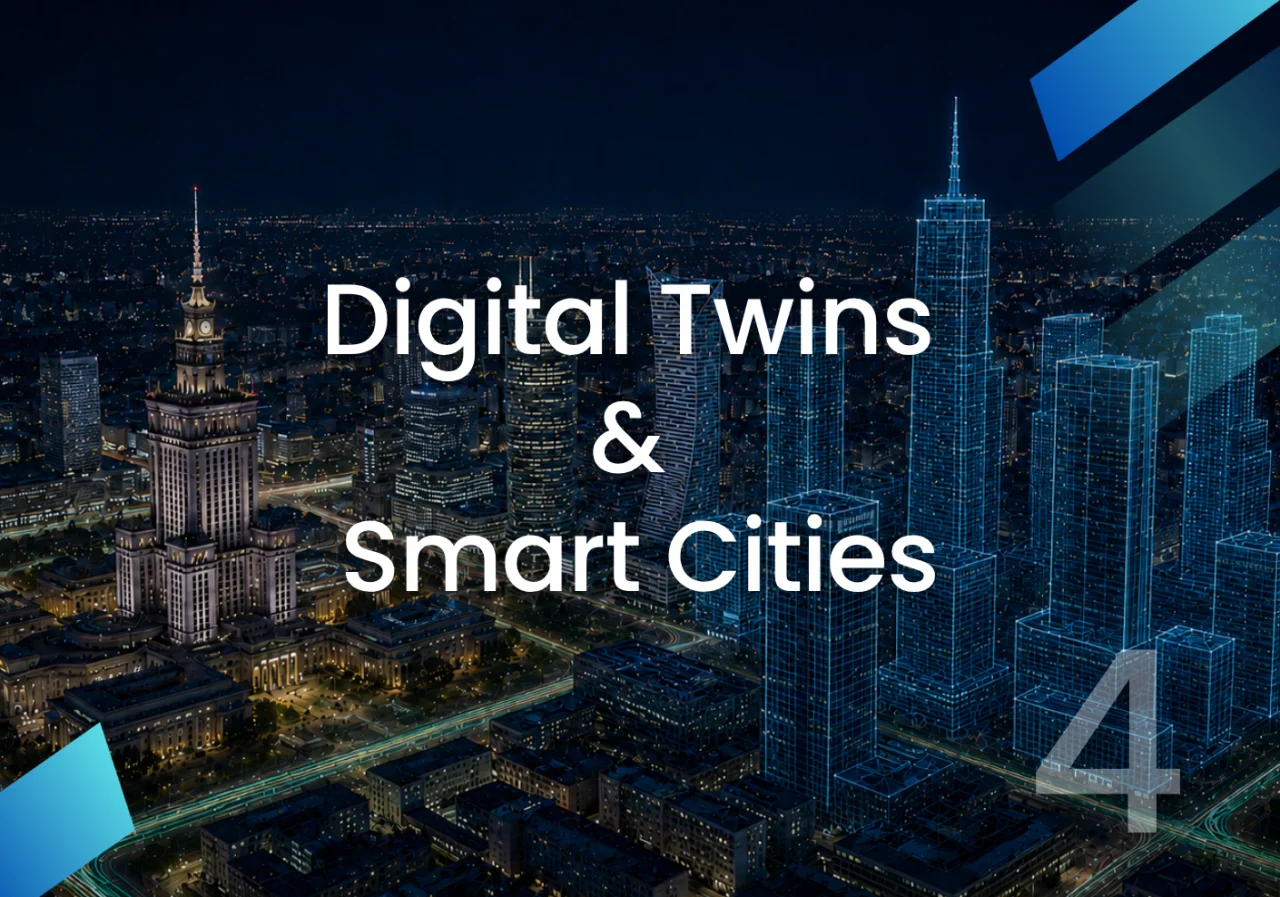
Digital Twins and Smart Cities
Digital twins are becoming an important tool for modelling, monitoring, and managing complex urban and infrastructural environments. By integrating geospatial data with BIM, GIS, sensor networks, and real-time information, digital twins can provide dynamic representations of cities, infrastructure, and natural environments. Such models support applications in urban planning, transportation, energy management, infrastructure maintenance, simulation, and decision-making.
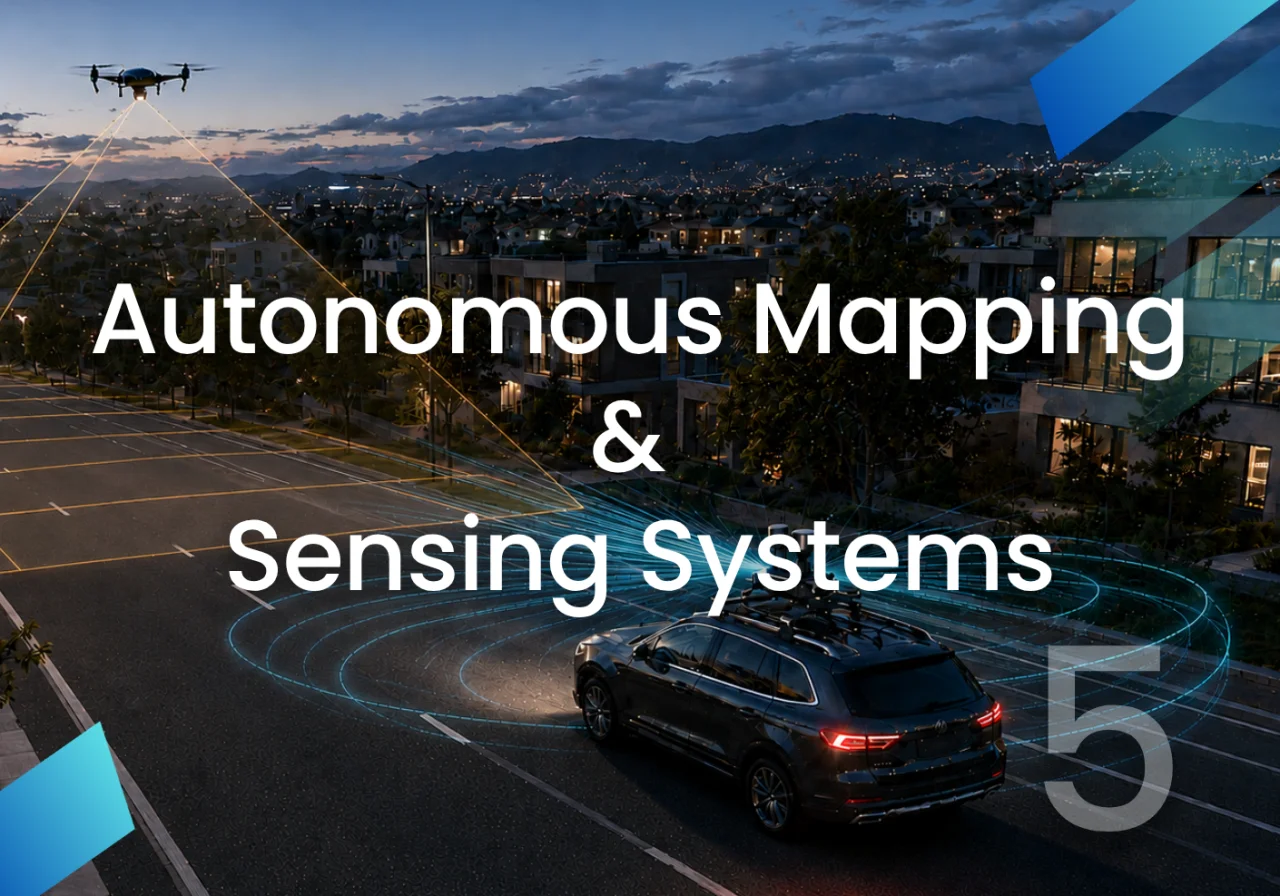
Autonomous Mapping and Sensing Systems
Autonomous and semi-autonomous platforms are transforming the way spatial data are acquired. UAVs, mobile mapping systems, robotic platforms, and autonomous vehicles equipped with cameras, laser scanners, GNSS/INS, and other sensors can collect detailed spatial information efficiently and, increasingly, in real time. Combined with technologies such as SLAM, sensor fusion, and onboard data processing, these systems enable new approaches to mapping, infrastructure inspection, mining, environmental monitoring, and emergency response.
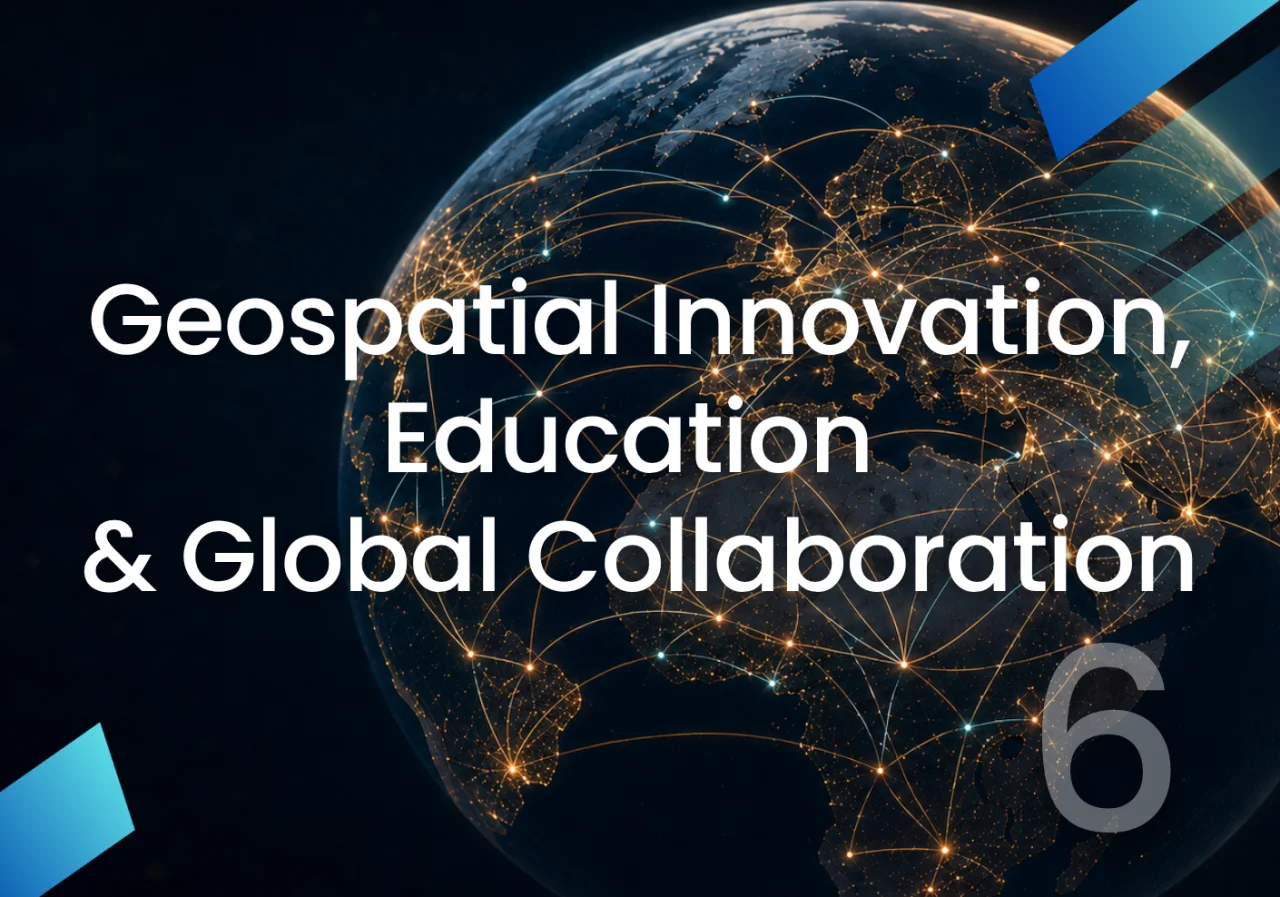
Geospatial Innovation, Education and Global Collaboration
Progress in geospatial science depends not only on technological development, but also on cooperation between research institutions, industry, public administration, and the wider professional community. ISPRS Geospatial Week 2027 aims to provide an international forum for the exchange of knowledge, presentation of new research, discussion of emerging technologies, and development of new collaborations. The event will bring together experienced researchers, early-career scientists, students, public-sector representatives, and professionals from the geospatial industry.
Hosted in Poland
GSW 2027 is hosted by the Association of Polish Surveyors and the Polish Society for Photogrammetry and Remote Sensing, working with national and international partners.
Poland has an active geospatial research and professional community spanning universities, public institutions and companies. Hosting GSW 2027 in Warsaw creates an opportunity to connect this community with ISPRS networks and participants from around the world.
Host organisations
Polish Society for Photogrammetry and Remote Sensing
The Polish Society for Photogrammetry and Remote Sensing, known in Polish as Polskie Towarzystwo Fotogrametrii i Teledetekcji (PTFiT), brings together specialists from research, business and public administration. Founded in 1930, it operates as a scientific and technical section of The Association of Polish Surveyors (SGP) and serves as Poland’s Ordinary Member of ISPRS.
Association of Polish Surveyors
The Association of Polish Surveyors, known in Polish as Stowarzyszenie Geodetów Polskich (SGP), is a professional and scientific organisation representing the surveying and mapping community in Poland. Founded more than a century ago, it supports professional exchange, education and the development of geospatial practice.